
Our History
40 Years Of Service
The Wellington Women’s Health Collective has been operating for nearly forty years. Throughout this time, our core purpose has remained the same: Offering a safe and compassionate space run by women, for women, to access information, mental health support and build community connections.
Founded in 1986, the Collective was part of a vibrant community of organisations providing services to local women. In the early year, we shared a building with Women’s Refuge and Wellington Rape Crisis, and we continue to maintain strong relationships with the women’s health sector today.
Filling a gap
While progress had been made towards gender equality and reproductive rights, throughout the 1970s and 80s, many women continued to face barriers to quality information and support about their health.
The original emphasis of the Collective was helping women to feel informed and empowered when dealing with health professionals. We built up a library of health resources - many donated by the Hecate Women’s Health Collective, an earlier women’s group focusing on health. Hecate also donated their original ‘Hot and Cold Doctor File’ which recorded women’s experiences with different doctors in Wellington.
We expanded this idea to cover all kinds of health practitioners and created a ‘Comments Database’, recording women’s experiences with different health services. For many years these files helped us to monitor sexism and abuse in health services, as well as to help women find capable and sympathetic doctors.
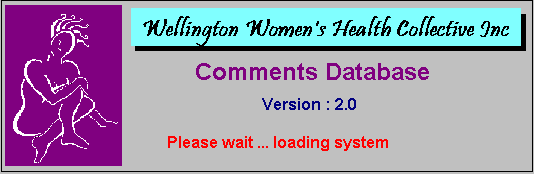
An archival screenshot of the Comments Database
Mural in Garrett Street marking the underground Waimāpihi stream
The Collective provided resources on women’s health issues, patient rights and up-to-date information on what women could expect from doctors and health services in the region. Over time, as the changing socio-political landscape meant more people had access to health information (through things like the internet and other central information services), the focus of the Collective shifted to emotional and mental health. Women who were trained counsellors would offer sessions for free through the Collective to help ensure low-income women could still access quality mental health support.
Counselling is now our core service, and we are privileged to be a trusted provider of compassionate mental health care to women in Wellington.
Our structure
For much of our history, the Collective operated through a cooperative structure where clients, volunteers, workers, and governance members shared in the decision-making of the organisation.
As the organisation grew and changed, we became an Incorporated Society and a registered charity, and while we now have a more formal structure, this collaborative kaupapa still underpins all our work.
Our operating structure, finalised in 2021, now includes a governance Committee, paid staff (including lead counsellors) and student counsellors.
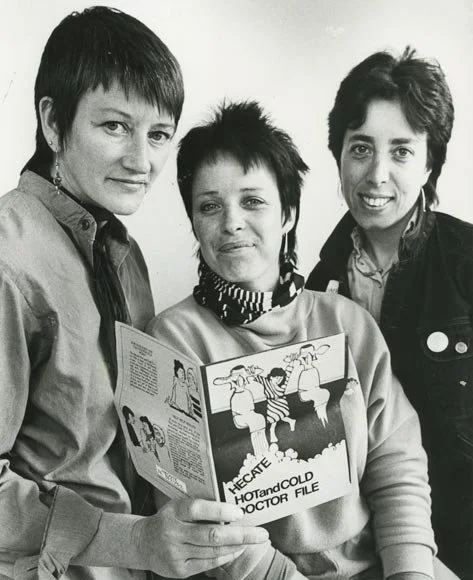
The Hecate Collective with the ‘Hot and Cold File’ in the early 1980s
This knowledge sharing was a powerful, grassroots response to the unfortunate reality that women in same-sex relationships and women seeking abortion care would often be treated differently by healthcare providers.
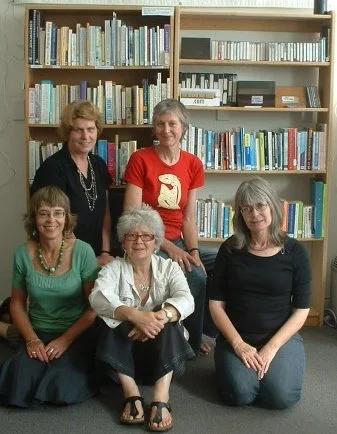
The 2009 WWHC management group
Our name
Our name reflects the importance of community and peer support to the overall health and wellbeing of wāhine. The term ‘collective’ represents the original non-hierarchical operating structure, but also our ongoing commitment to walk alongside our clients.
As well as informing how we provide our counselling services, the kaupapa of a Collective is also embedded through our workshops. As well as helping build skills, these free or low-cost events are also a way for women to build connections and grow their community with other women facing life’s challenges.
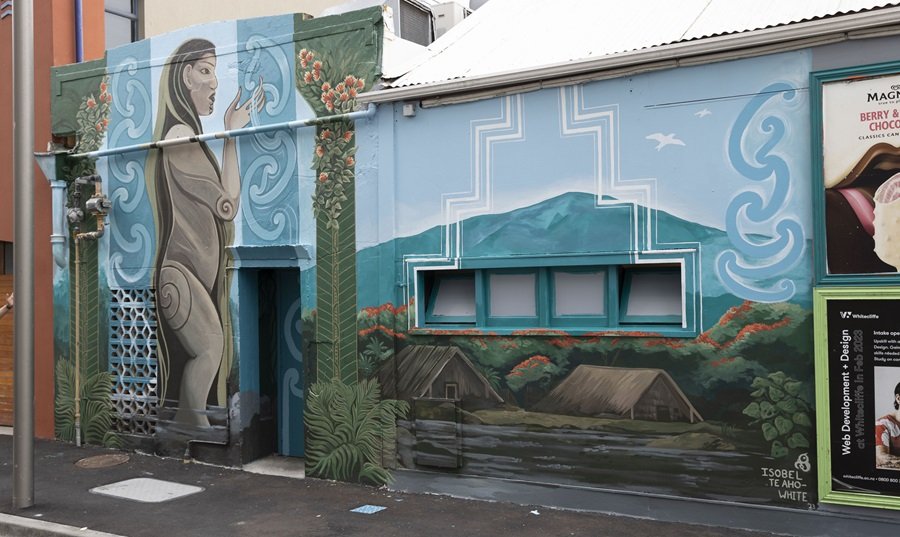
In 2010, we adopted a bilingual name to reflect the bicultural foundations of Aotearoa New Zealand. Our name in te reo Māori is Wāhine ora o Te Waimāpihi, which comes from the Waimāphi stream that runs under Te Aro. This reflects that the Collective has always been based in the Te Aro area of central Wellington.
